

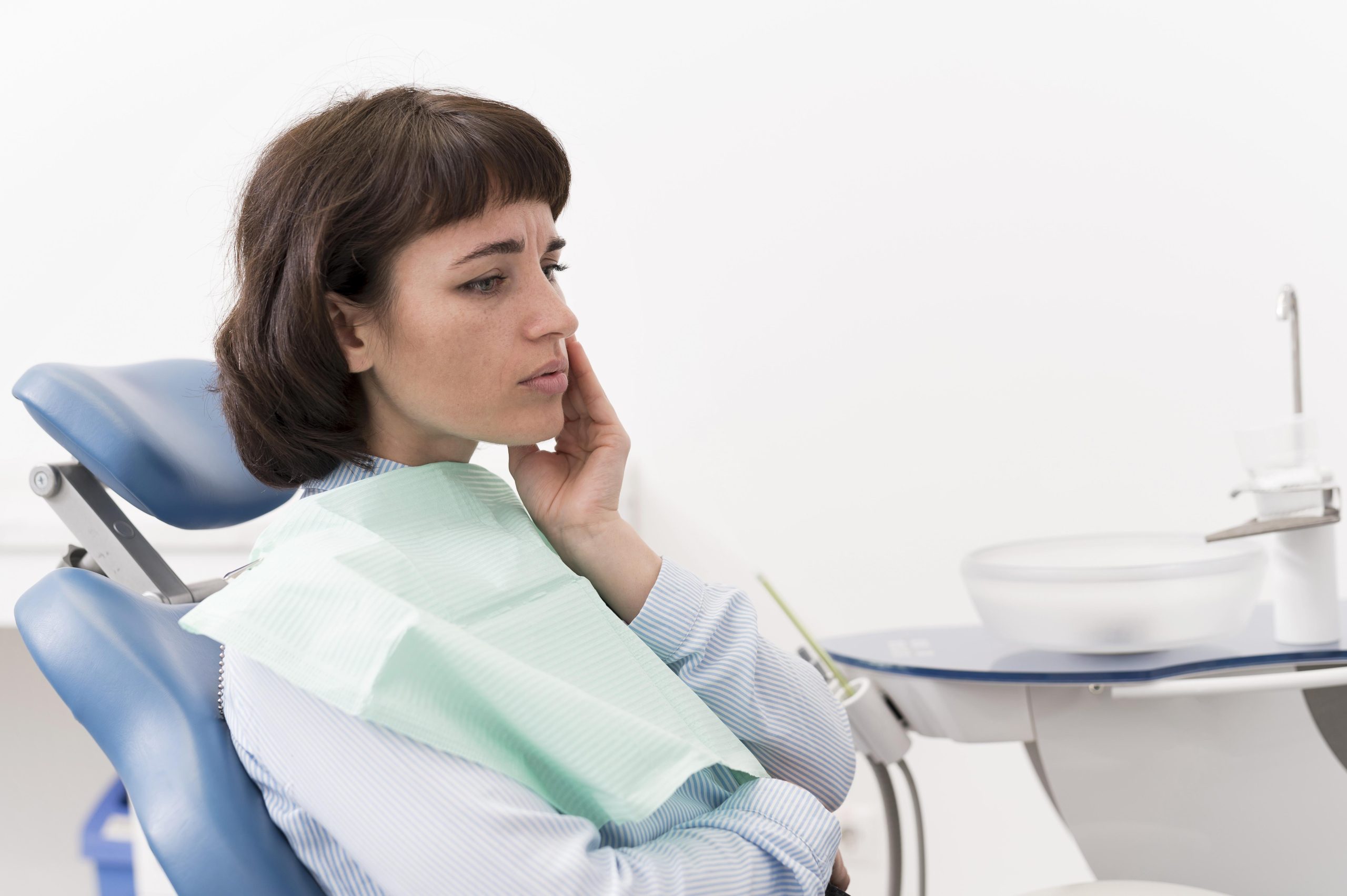
Dental anxiety is a real, often strong feeling of fear or worry about going to the dentist. Some people feel a small flutter in the stomach. Others cannot sleep the night before a visit, feel physically sick in the waiting room, or have avoided the dentist for years. None of that is unusual, and none of it is something to be embarrassed about. Our Dental Anxiety Help team at Dental Specialists of Turramurra has spent years helping anxious patients feel safe, calm, and in control of their care.
If you have been putting off a visit, this guide is for you. We will talk about what dental anxiety is, what makes it worse, and what our team does to make a visit easier.
What does dental anxiety feel like?
Dental anxiety is more than just not liking the dentist. It can show up in your body (racing heart, sweating, nausea, tight chest), in your thoughts (replaying bad memories, trouble sleeping the night before), and in your behaviour (avoiding the dentist for years, cancelling appointments, only going in an emergency). For some people, anxiety is mild and only shows up in the chair. For others, it is strong enough to stop them from going at all. Both ends of the spectrum are real, and both deserve to be taken seriously.
What makes dental anxiety worse?
There are four common drivers of dental anxiety. Most anxious patients recognise themselves in at least two.
The good news: each of these has a well-known fix. Knowing the driver is the first step. Choosing a team that has the right tools and the right attitude is the second.
What helps with dental anxiety?
There are three layers of help - what you can do at home, what our team does in the chair, and what to plan for the long term.
What you can do at home. Book a "getting to know you" visit first. Bring a support person. Plan the visit for a low-stress time. Eat a light meal beforehand and avoid caffeine. Tell us in advance that you are anxious so the visit can be planned around that.
What our team does in the chair. Our team has been working with anxious patients for years. You will not be the most anxious person we have seen this week, and you will not be the last. The tools we use every day include a computerised anaesthetic unit that delivers local anaesthetic drop by drop through a tiny point, instead of a conventional needle; aromatherapy eye packs to help you relax; virtual reality DVD viewers to take you somewhere else; premedication for patients who need a tablet beforehand; inhalational analgesia ("happy gas") for patients who need extra help to settle; tell-show-do (we tell, show, then do); and the stop signal (you choose a hand signal that means "stop," and we stop).
What to plan for the long term. Anxiety does not usually go away on its own, but it does get easier with the right support. Many of our anxious patients start with short, no-treatment visits, build up to small pieces of care, and reach a point where the dentist is just part of their year. Treatment for ongoing anxiety (with a psychologist or a GP) can also help. If you are an adult who has been putting off orthodontic or restorative work because of anxiety, our team can talk through the options, including our Orthodontic Options for adults.
What will my first visit look like?
Your first visit is a conversation, not a treatment. A warm welcome from the front desk; a chat in a private room about your history and what you would like to achieve (no judgment); a look inside your mouth if you are comfortable; a plan written down that lists issues, options, costs, and order; and a first treatment visit when you are ready, starting with the smallest piece of work. You stay in control of the visit, always.
What if I have not been to the dentist in years?
You are not alone, and you will not be the first person our team has seen in this situation. A long gap is one of the most common reasons people feel anxious in the first place. Our team is used to starting from wherever you are, and the first visit is always a conversation, not a lecture. If there is a lot to catch up on, we will write a phased plan - urgent first, important next, longer-term after.
How do I book if I am anxious?
Call (02) 9488 7455 and let the front desk know you are an anxious patient. They will book a longer first visit, ask if there is anything the team should know in advance, and answer practical questions. The practice is at Suite 1-2, 1335 Pacific Highway, Turramurra NSW 2074, open Monday to Friday, 9:00 am to 5:00 pm. The first step is the same: tell us you are anxious, and let us plan the visit around you.
Frequently Asked Questions
Will the team judge me for not having been in years?
No. Our team has worked with anxious patients for years. We will not comment on the state of your teeth, ask why you stayed away, or push you to do more than you are comfortable with.
Is sedation available?
Yes, in two forms. Inhalational analgesia ("happy gas") is available for patients who need a little help to settle, and premedication (a tablet taken before the visit) is available for patients who need more support. Our team will talk through what is right for your situation.
Will the treatment hurt?
Our goal is to make every visit as gentle as possible. The computerised anaesthetic unit makes numbing gentler than a conventional needle, and the team uses tell-show-do. If anything starts to hurt, raise your stop signal and we will adjust.